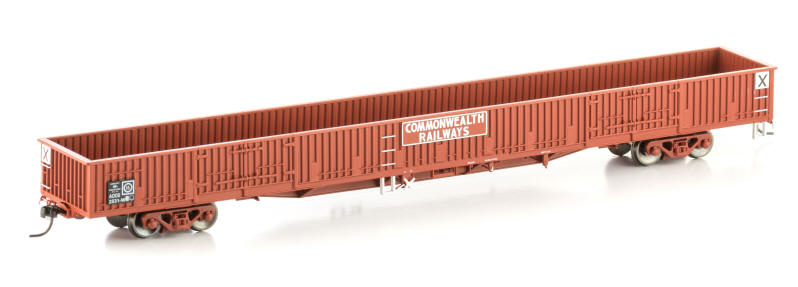
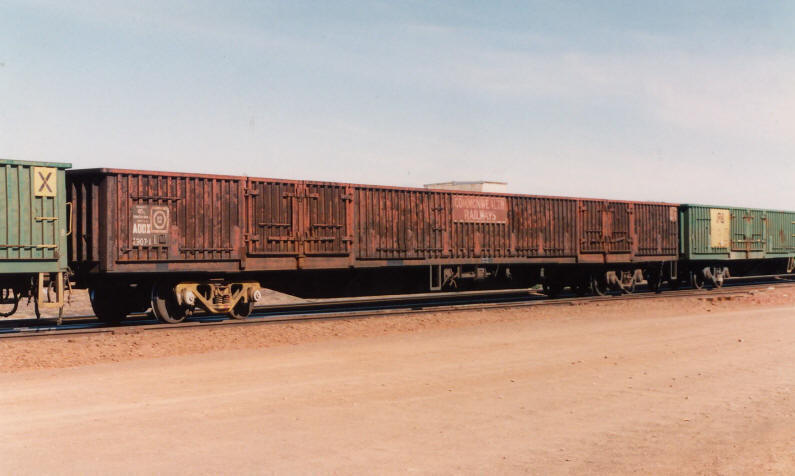
Commonwealth Railways
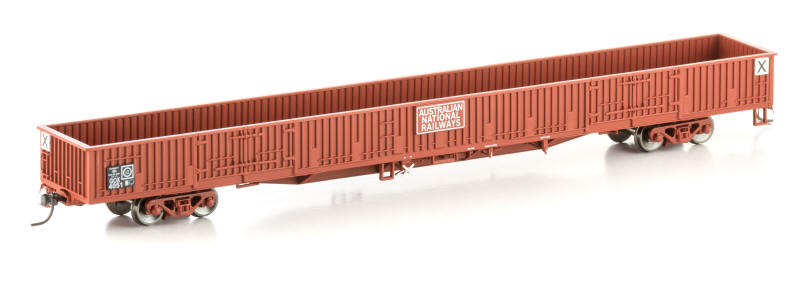
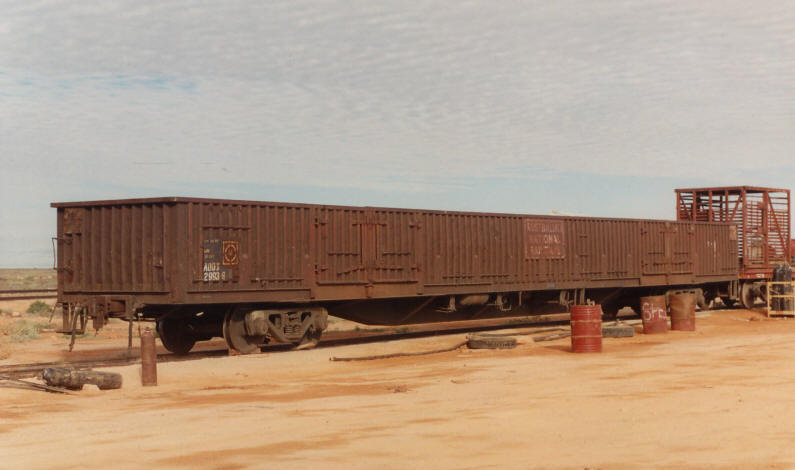
Australian National Railways
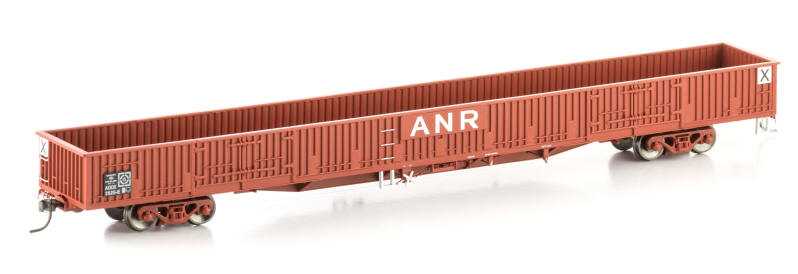
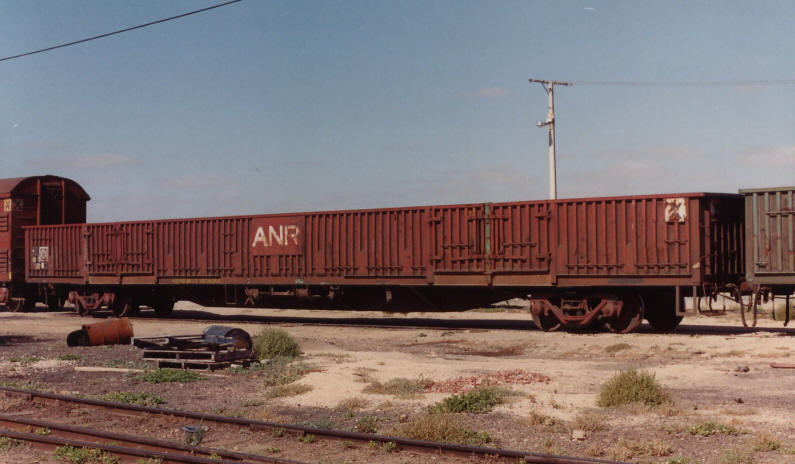
ANR
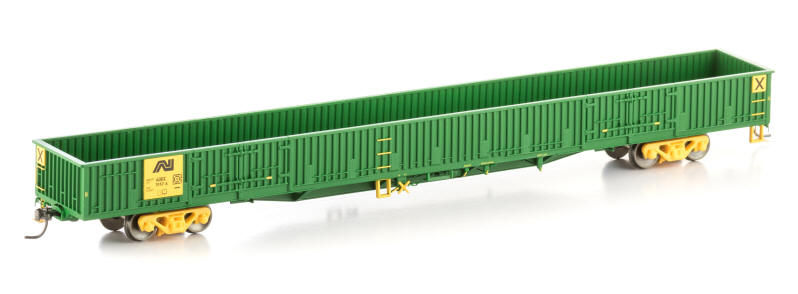
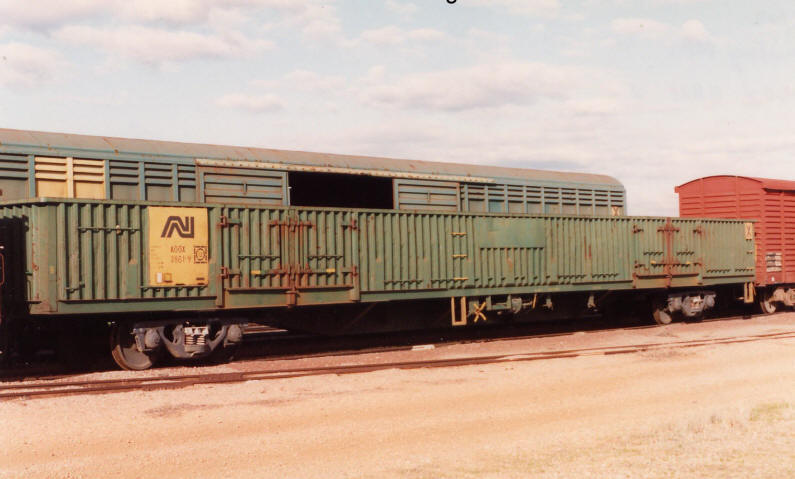
Australian National
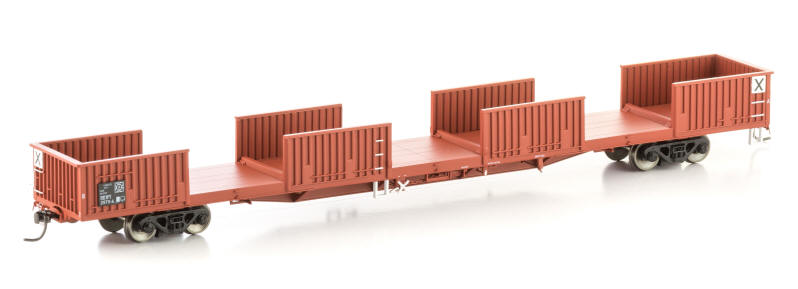
ANR
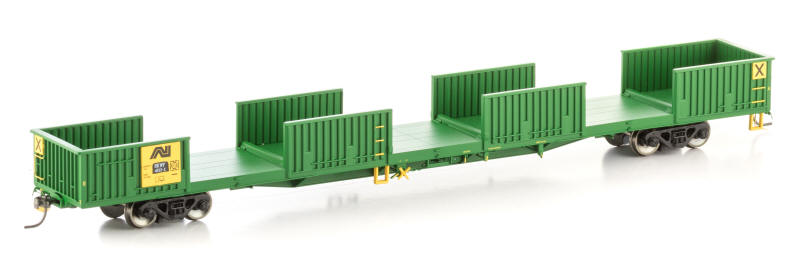
Australian National
Australian National/BHP
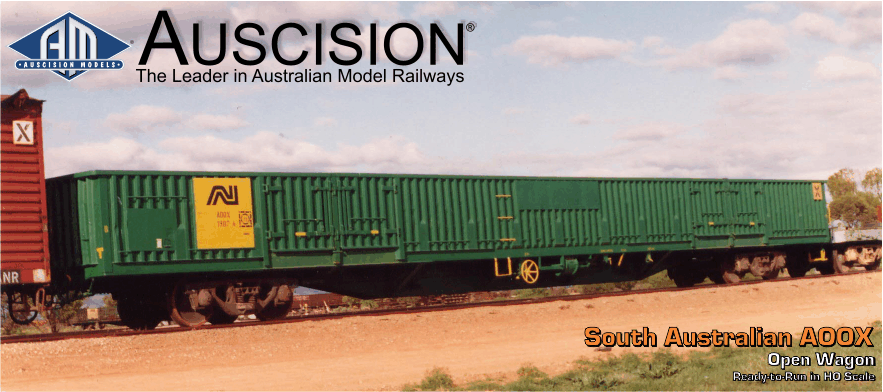
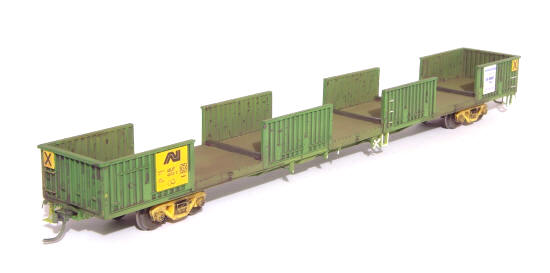
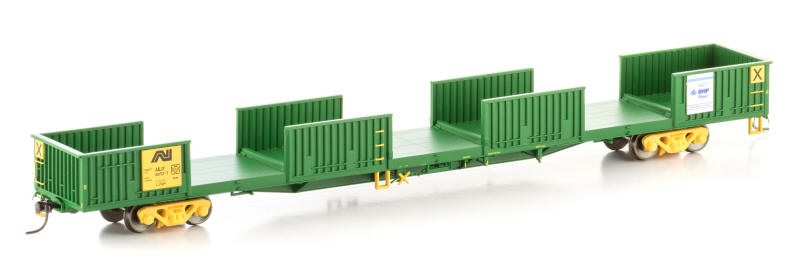
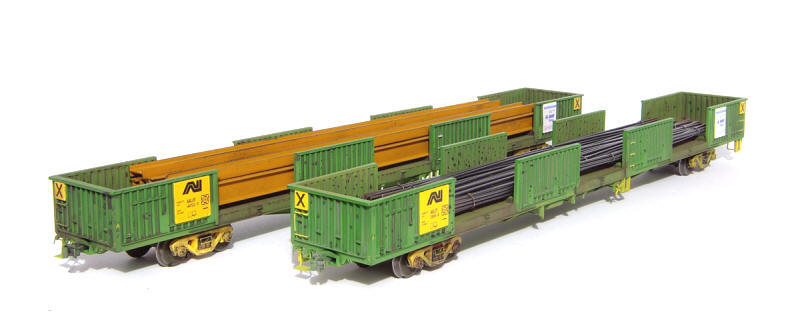
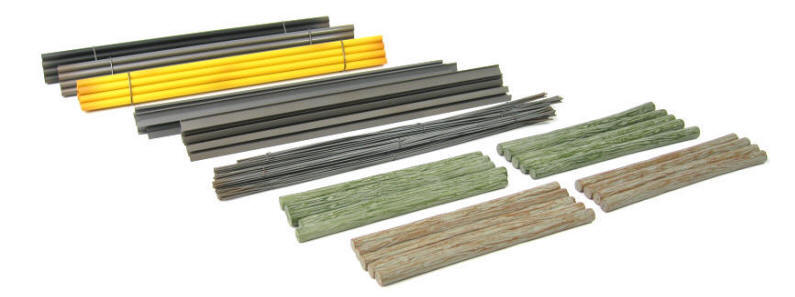
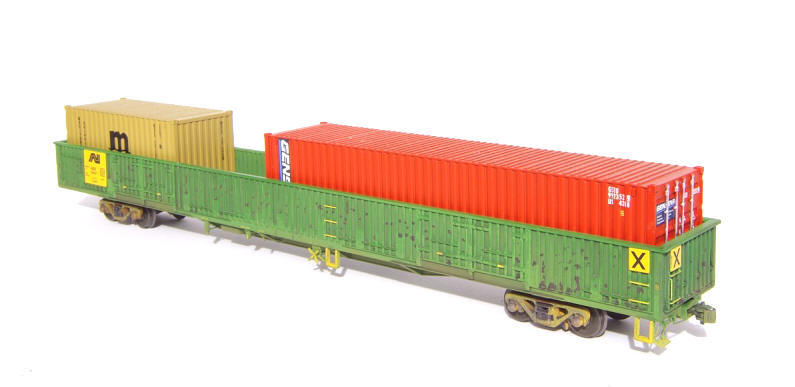
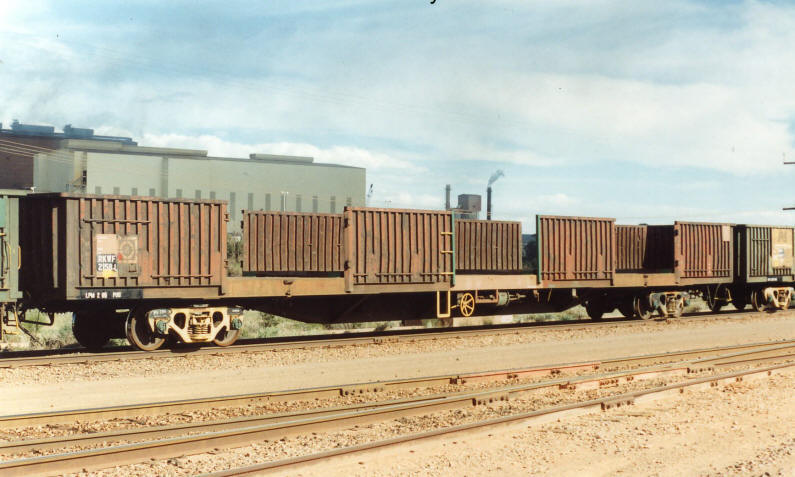
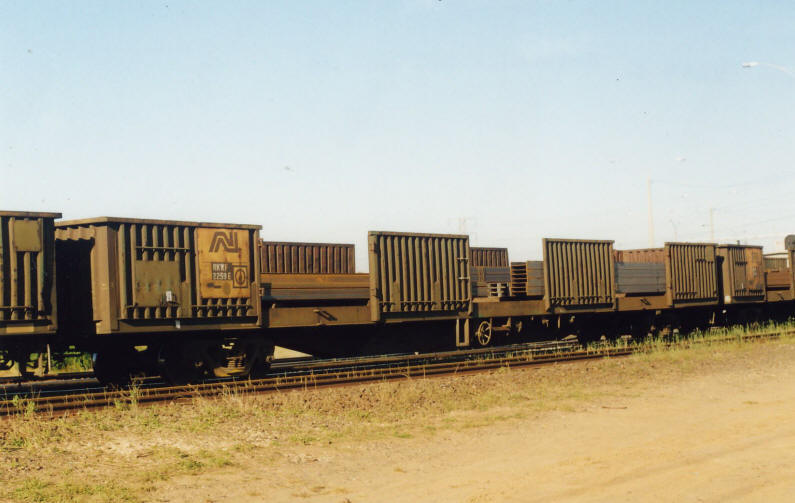
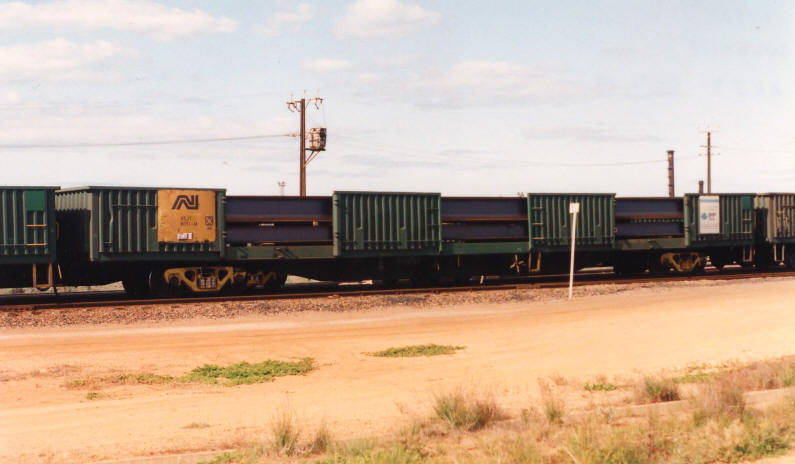
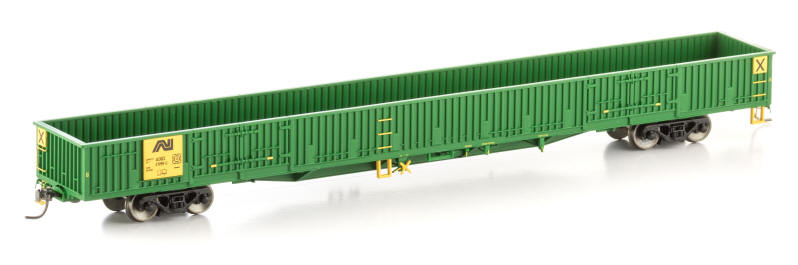
SOUTH AUSTRALIAN AOOX OPEN WAGON – PROTOTYPE OVERVIEW 623 GOX open wagons were constructed for Commonwealth Railways and Australian National Railways between 1968 and 1976. These open wagons are an impressive sight, measuring at over 23 meters long. The majority were built by Transfield, although Commonwealth Engineering built just over 50 between 1968 and 1970. The GOX open wagons, which were later recoded to AOOX when the ROA standards were introduced, have operated on both standard and broad gauges over most of Australia for their owners of them time, be it Commonwealth Railways (CR), Australian National Railways (ANR), or their successor, Australian National (AN). The GOX was fitted with two sets of doors on each side, near each end of the wagon. These doors opened to allow loading and unloading. AN were quick to realize the flexibility of these wagons, due to their strong structure and remarkable size. In 1988, some 100 AOOX wagons had their doors removed and were recoded AKPX, and were used in bulk steel service. A few years later, many had centre panels cut out also, making the wagon look as thought it originally had three sets of doors per side. These wagons were recoded AKOX. AN continued the upgrade of their fleet, and quickly converted many of the 50t bogies under the AKOX wagon to 70t bogies with constant contact side bearers for high speed operation. These were coded AKJY in 1992, however this code was short lived and in 1994, which the formation of National Rail, they were transferred and became the RKWF wagon. Other conversion completed by AN in the 1980s and 1990s include recoding wagons to AOLX and AOSX for internal AN system work, limiting their previous unrestricted runs interstate on bogie exchange or on the standard gauge network. 25 AOOX wagons were converted in 1989 for Tubemakers, and were coded AKTX (T for Tubemakers). It is believed these wagons had a set of doors fitted in the middle of each side of the wagon, making it easier to load and unload pipes. With the formation of National Rail, and the sale of Australian National to Australian Southern Railroad, the majority of GOX type wagons were split between these two parties. Australian Southern Railroad (now Genesee and Wyoming Australia), have only partially exploited the potential of the GOX type wagon. In the lead up to the Alice Springs to Darwin line construction, 40 wagons were converted to flat bed type wagons with cradles for carrying concrete sleepers and lengths of rail. 20 wagons were coded AFKY and 20 wagons were coded AFTY. The KY wagons started line construction at Katherine, and the TY wagons started the line construction at Tennant Creek. Around another 40 wagons have had all the sides removed and converted into a container flat wagon, coded AQPY. These have progressively been done since the late 1990s to the mid 2000s. They originally were painted orange, but later rebuilds have seen them painted yellow. Apart from running container service (mainly Adelaide to Darwin, and Adelaide to Sydney/Parkes), they have recently been used to move concrete sleepers interstate for track upgrade programs. A large quantity of GOX type wagons remain stored at Port Pirie in South Australia. In the early 2000s, CFCL Australia purchased 50 wagons for conversion to skeletal container wagons. 30 were converted to CQQY container wagons. These CQQY wagons have operated mainly in South Australia and Victoria where the dech height isn’t an issue. 5 were refurbished as COOY open wagons and are used for internal component transfer, such as moving wheelsets and bogies between capital cities. One AOOX platform has provided the test bed for an inline fuel tanker (CTAY) which being developed. The remaining wagons purchased were sold for scrap in 2009, and Bluebird Rail Operations purchased two for internal workshop use. These are BOOX wagons, although they are not formally accredited. National Rail quickly found a purpose for the wagons they acquired from AN. The vast majority were put to use on steel service (SteelLink). SteelLink comprised of a variety of steel products, ranging from structural beams, pipes, tubes, merchant bar, rod, slab, billet, and coil. The GOX type wagons proved very efficient in moving many types of these products. The common types of GOX wagons when National Rail formed in 1994 were as follows. · RKWF – Doors and centre panel removed and 70t bogies fitted (ex AKJY) · RKOX – Doors and centre panel removed and 50t bogies fitted (ex AKOX) · ROOX – Standard open wagon (ex AOOX) · RKTX – Standard open wagon with all doors welded shut (ex ROOX) Over the years, many of these wagons have been altered and modified to suit various traffic. In 2009, the Pacific National (formerly National Rail) wagon split was approximately: · ROOX – 22 · RKDY – 3 · RKOX – 30 · RKTF – 6 · RKTX – 7 · RKWY – 160 · ROKX – 30 Generally, each wagon has a slightly different purpose and attribute. It is becoming more common to have doors removed as they become expensive to maintain and repair, and can become a swinging hazard if opened at 80km/h or more. The ROOX fleet is commonly used for pipe traffic, and other unusual loads which suit being fully enclosed by the sides of the open wagon. The RKDY wagons are identical to the RKWY wagons except for an ANZR wheel profile which allow them to run steel products to Darwin. The RKOX wagons are fitted with tie down bars across the door openings to enable pipe loads to be tied. These wagons commonly work pipe loads from Brisbane and Port Kembla. The RKTF wagons are fitted with 3 sets of doors, and are now fitted with vertical pipe restraints to allow pipes to be loaded above the height of the wagon side. The RKTX wagons were once fitted with a steel fold down ramp to allow fork access. On at least one of these wagons, the steel ramp in the middle of the wagon, and the doors have been removed, essentially making the wagon an RKOX without tie down bars. The RKWY is the most common GOX type wagon in operation service these days. Formerly RKWF wagons, constant contact side bearers were fitted between arund the mid 2000s to make them suitable for high speed, especially when running between Whyalla and Newcastle with RKKY type wagons. The RKWY is a versatile steel wagon, and can often be seen doing many different tasks. Common loads for the RKWY include structural steel, pipes, long rods, merchant bar, and power poles. The RQKY is fitted with 70t bogies, making it suitable for 23t axle loads. The ROKX class is ever changing. Currently you may find ROKX wagons with all doors still fitted, and others with no doors fitted and centre panels removed also. They are another common purpose steel wagon, similar to the RKWY. Pacific National have really worked these wagons hard over the last 15 years, with almost all of them still wearing AN green (some with AN logos). A few remain in service in maroon, with ANR or Commonwealth Railways lettering. From humble beginnings with Commonwealth Railways, carting almost any product imaginable, including shipping containers, around the country, these wagons continue to serve their owners well in many different freight fields, including containers/intermodal, steel, infrastructure, and general purpose flat wagons. It is uncommon not to see a GOX open wagon on any of today’s Pacific National SteelLink services running between all major capital cities, and often they are in blocks of 5 or more, returning empty for another load, or running with a load of Australian produced steel. SOUTH AUSTRALIAN AOOX OPEN WAGON – PROTOTYPE PHOTOS
|
|||||||||||||||||||||||||||||||||||||||||||||||||||||||||||||||||||||||||||||||||||||||||||||||||||||||||||||||||||||||||||||||||||||||||||||||||||||||||||||||||